The Land
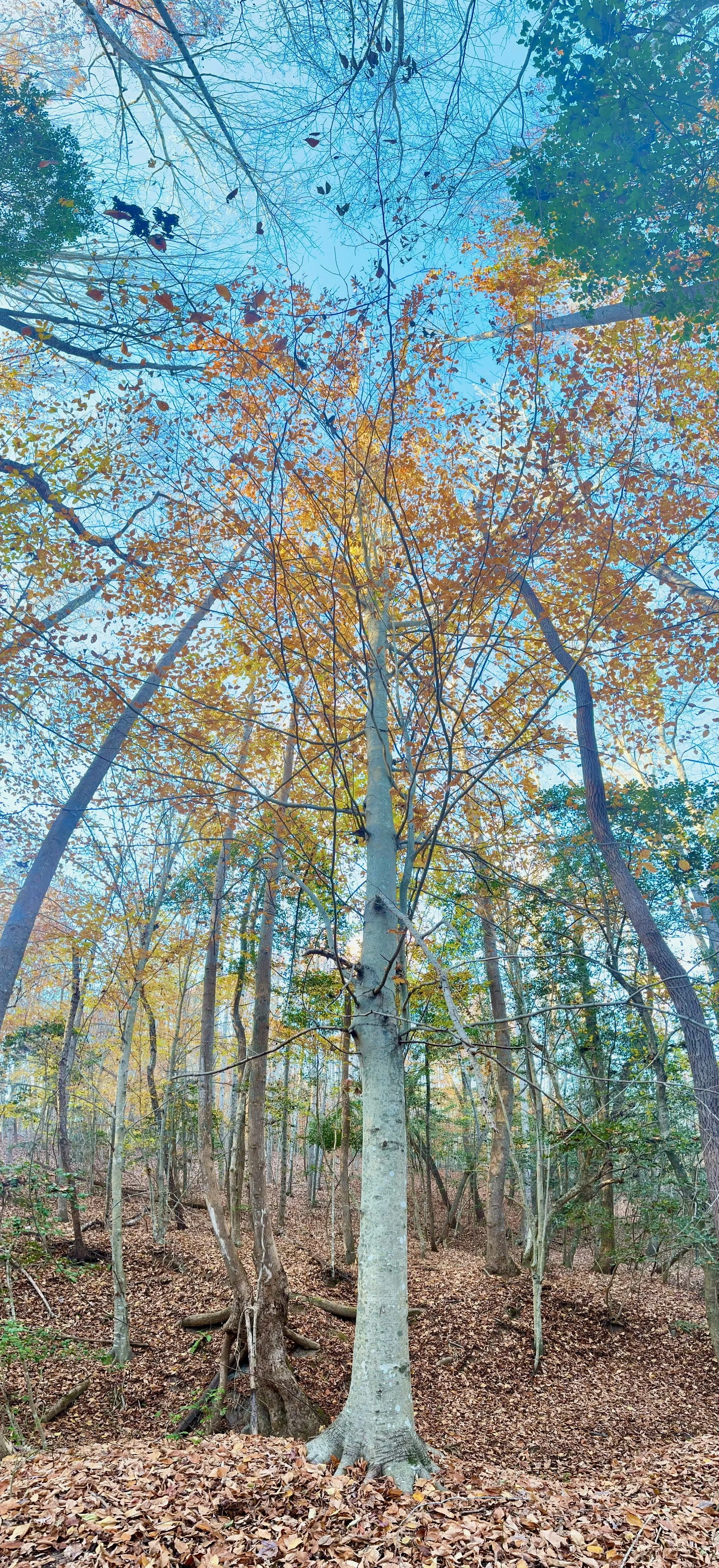
Birch Leaf Garden’s woods support a diverse ecosystem, providing a habitat for a wide range of animals and insects. Among the larger inhabitants are deer, which roam through the forested areas. In addition to these, various burrowing animals have made their homes beneath the woodland floor, contributing to the vitality of the environment.
The woods are also populated by numerous insects. A notable example is the Joro Spider, a species commonly seen throughout the area. While their size can be quite impressive, these spiders are harmless and typically prefer the sunnier portions of the woods. Observing the presence of such creatures highlights the rich biodiversity found within BLG’s natural spaces.
The Mighty Birch
Birch Leaf Gardens gets its name from the cluster of Birch trees that grow in the center of the property. It just felt right to honor these majestic trees.
Birch species are generally small to medium-sized trees or shrubs that mostly grow in the northern hemisphere. They form bud’s early spring which reach maturity by midsummer.
The bark of all Birches is distinctly marked with long, horizontal lines, and often separates into thin, papery plates which give Birch trees their satiny texture. The Birch trees’ colors of gray, white, black, silver and yellow, give rise to their different names.
Birch Benefits
The Birch has many uses. It has been used for flavoring or leather oil, in cosmetics such as soap and shampoo. Other uses include waterproofing, and thermoplastic use in applications. The Birch Oil extract can be used in topical treatments to repel insects. In addition, it has been used in the past for commercial oil of wintergreen and is currently used medicinally.
The inner bark is considered edible as an emergency food, even when raw. It can be dried and ground into flour, as was done by Native Americans and early settlers. It can also be cut into strips and cooked like noodles.
Birch sap can be drunk or used in syrup making, birch beer and black birch tea. The leaves offer various health benefits also. They are a source of vitamin C and A, promote urination (*can interact with medical diuretics and allergic reactions are possible) and aides in urinary tract issues. They can be used as a tonic to support detoxification, to treat skin conditions and for treatments for rheumatism and arthritis.
One of the most intriguing parts of nature is walking through the woods. In the woods, there is quiet, calm and clarity.
There are health benefits to taking a stroll through natural environments. They create a natural stress reducer. Cortisol levels drop and a grounding effect occurs. It is a natural mood enhancer and helps many to have hyperfocus and clarity which then naturally increases endorphins. Mental health issues like grief, depression and anxiety can be minimized or managed. It has even been used as part of the prescription by untold doctors. *
Physically, one breathes in fresh oxygen and stimulates repair of muscles, bone, heart and brain. Many find that their overall well-being is positively affected.
A variety of animals and insects live in BLG’s woods. It is home to deer as well as a host of burrowing animals. One of the common insects you will see in the woods is the Joro Spider. It is harmless, but it can get very impressive in size. Most hang out in sunnier areas of the woods.
*Sources: Bing.com; Magazine.hms.harvard.edu; Woodland
Trust; The Hiking Photographer; Theconversation.com;
Phychologhytoday.com; Sustainablewoodstock.org; Flibos.com